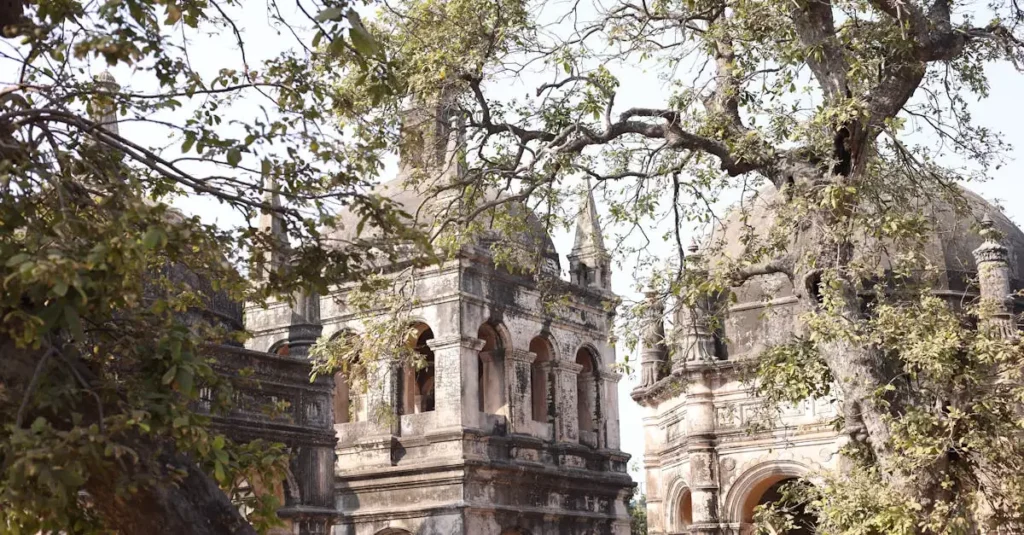
The Indus Valley Civilization MCQ quiz is designed to test your knowledge of one of the world’s earliest urban cultures. This ancient civilization, flourishing around 2500 BCE in the northwestern regions of South Asia, is renowned for its advanced city planning, sophisticated drainage systems, and undeciphered script. Understanding the Indus Valley Civilization is crucial for UPSC aspirants as it forms a key part of Indian history. This quiz covers important aspects such as major sites, cultural traits, economy, and archaeological findings. Attempt all questions before revealing answers to assess your grasp on this significant historical topic and improve your preparation for the UPSC exams.
Quick Facts
The Indus Valley Civilization existed approximately between 3300 BCE and 1300 BCE.
Major sites include Harappa, Mohenjo-Daro, and Dholavira.
It is known for its advanced urban planning and drainage systems.
The civilization had a script that remains undeciphered to this day.
Trade was conducted with Mesopotamia and other distant regions.
The economy was based on agriculture, craft production, and trade.
They used standardized weights and measures for trade and construction.
The civilization declined around 1900 BCE, possibly due to climatic changes or river shifts.
Q1. Which river valley was the Indus Valley Civilization primarily located in?
A) Ganges River
B) Indus River
C) Brahmaputra River
D) Yamuna River
Show Answer
Answer: B) Indus River
Explanation: The Indus Valley Civilization was primarily situated along the Indus River and its tributaries, covering parts of present-day Pakistan and northwest India. This river system supported the growth of urban centers like Harappa and Mohenjo-Daro.
Q2. Which of the following was NOT a major city of the Indus Valley Civilization?
A) Harappa
B) Mohenjo-Daro
C) Lothal
D) Pataliputra
Show Answer
Answer: D) Pataliputra
Explanation: Pataliputra was an ancient city but belonged to the Mauryan period, much later than the Indus Valley Civilization. The major Indus cities were Harappa, Mohenjo-Daro, and Lothal among others.
Q3. What is the significance of the Great Bath found at Mohenjo-Daro?
A) It was a storage tank for grains
B) It was used for ritual bathing or religious purposes
C) It was a marketplace
D) It served as a defense moat
Show Answer
Answer: B) It was used for ritual bathing or religious purposes
Explanation: The Great Bath at Mohenjo-Daro is believed to have been used for ritualistic or religious bathing, indicating the importance of purification in their culture. It is one of the earliest public water tanks discovered.
Q4. Which material was commonly used for making seals in the Indus Valley Civilization?
A) Gold
B) Steatite
C) Bronze
D) Terracotta
Show Answer
Answer: B) Steatite
Explanation: Steatite, a soft stone, was commonly used to carve seals in the Indus Valley Civilization. These seals often contained animal motifs and inscriptions in the undeciphered Indus script.
Q5. The script of the Indus Valley Civilization is:
A) Fully deciphered and understood
B) Partially deciphered
C) Undeciphered
D) Written in Sanskrit
Show Answer
Answer: C) Undeciphered
Explanation: Despite numerous attempts, the Indus script remains undeciphered. The inscriptions are brief and lack bilingual texts, making it difficult to interpret the language and meaning.
Q6. Which of the following was a major economic activity in the Indus Valley Civilization?
A) Industrial manufacturing
B) Agriculture and trade
C) Nomadic herding
D) Hunting and gathering
Show Answer
Answer: B) Agriculture and trade
Explanation: The Indus Valley people practiced agriculture, cultivating wheat and barley, and engaged in extensive trade both within the region and with Mesopotamia, which was vital for their economy.
Q7. Which of the following best describes the drainage system of the Indus Valley Civilization?
A) Rudimentary and open drains
B) No drainage system
C) Advanced covered drainage with brick-lined channels
D) Natural drainage through rivers only
Show Answer
Answer: C) Advanced covered drainage with brick-lined channels
Explanation: The Indus Valley Civilization had a sophisticated drainage system with covered brick-lined drains running alongside streets, reflecting advanced urban planning and concern for public hygiene.
Q8. What was the primary material used for constructing buildings in the Indus Valley Civilization?
A) Stone blocks
B) Sun-dried and baked bricks
C) Wood and bamboo
D) Mud and straw
Show Answer
Answer: B) Sun-dried and baked bricks
Explanation: Buildings in the Indus Valley Civilization were constructed using standardized sun-dried and baked bricks, which contributed to the durability and uniformity of their urban structures.
Q9. Which animal is frequently depicted on Indus Valley seals?
A) Elephant
B) Unicorn or one-horned bull
C) Tiger
D) Horse
Show Answer
Answer: B) Unicorn or one-horned bull
Explanation: The one-horned bull or unicorn is a common motif on Indus seals, symbolizing cultural or religious significance, though its exact meaning remains uncertain due to the undeciphered script.
Q10. What is one widely accepted theory regarding the decline of the Indus Valley Civilization?
A) Invasion by Alexander the Great
B) Climatic changes and river shifts
C) Conquest by the Mauryan Empire
D) Sudden volcanic eruption
Show Answer
Answer: B) Climatic changes and river shifts
Explanation: Scholars widely believe that climatic changes, including droughts and shifts in river courses, contributed to the gradual decline of the Indus Valley Civilization by disrupting agriculture and settlements.
Key Comparison
Concept
Details
Urban Planning
Highly advanced with grid patterns, standardized bricks, and covered drainage systems.
Script
Undeciphered pictographic script found mainly on seals; language unknown.
Economy
Agriculture-based supplemented by trade with Mesopotamia and craft production.
Major Sites
Harappa, Mohenjo-Daro, Lothal, Dholavira, and Kalibangan.
Decline Causes
Likely climatic changes, river shifts, and possibly socio-economic factors.
Construction Material
Standardized sun-dried and baked bricks used for buildings and drainage.
Important Points
The Indus Valley Civilization is one of the world’s earliest urban cultures, known for its planning and architecture.
Its script remains undeciphered, limiting full understanding of its culture and governance.
Trade networks extended beyond the Indian subcontinent, indicating economic sophistication.
Major cities featured advanced drainage and water management systems, reflecting public health awareness.
The civilization’s decline is attributed mainly to environmental factors rather than invasions.
Standardized weights and measures demonstrate a regulated economic system.
FAQs
What time period does the Indus Valley Civilization cover?
The Indus Valley Civilization flourished approximately between 3300 BCE and 1300 BCE, with its mature phase around 2600 to 1900 BCE. It represents one of the earliest urban societies in South Asia.
Why is the Indus script undeciphered?
The Indus script remains undeciphered because the inscriptions are brief, lack bilingual texts, and the language behind the script is unknown. This makes it difficult for scholars to translate or understand the writing system fully.
What was unique about the urban planning of the Indus Valley Civilization?
The civilization featured well-planned cities with grid-like street patterns, standardized baked bricks, and advanced drainage systems. This level of urban planning was unprecedented in the ancient world at that time.
How did the Indus Valley Civilization engage in trade?
They traded goods such as beads, metals, and pottery with distant regions including Mesopotamia. The use of standardized weights facilitated fair trade practices within and beyond their settlements.
What caused the decline of the Indus Valley Civilization?
Environmental changes like drought, river course shifts, and possible resource depletion are believed to have caused the civilization’s gradual decline, rather than invasions or sudden disasters.
What materials were used for building houses in the Indus Valley Civilization?
Houses were primarily constructed using standardized sun-dried and baked bricks. This uniformity in bricks contributed to the durability and organized layout of the cities.
What is the significance of the Great Bath at Mohenjo-Daro?
The Great Bath is considered one of the earliest public water tanks used for ritual bathing, indicating the importance of cleanliness and possibly religious practices in the Indus Valley Civilization.
Which animals are commonly seen on Indus seals?
The one-horned bull or unicorn is frequently depicted on seals, symbolizing cultural or religious significance, though the exact meaning remains unknown due to the undeciphered script.
The Indus Valley Civilization MCQ quiz above provides a comprehensive overview of this ancient culture’s key aspects, including its urban planning, economy, script, and decline. Practicing such questions is essential for UPSC aspirants to strengthen their understanding of Indian history. Regular engagement with MCQs helps in better retention and exam readiness, so continue to explore more practice questions on this fascinating topic to boost your confidence and knowledge.