Plate tectonics is a fundamental concept in geology and geography that explains the movement of Earth’s lithospheric plates and the resulting geological phenomena. Understanding these processes is crucial for UPSC aspirants as it forms the basis for many questions in the geography section. This UPSC Geography Quiz – Plate Tectonics (Part 3) is designed to challenge your knowledge with medium difficulty level Plate Tectonics MCQ questions. Attempt all questions carefully before revealing the answers to enhance your understanding of plate boundaries, types of plate movements, and their impact on Earth’s surface. Practicing these questions will help you build a strong foundation for the UPSC examination and improve your problem-solving skills in geography.
Quick Facts
- Plate tectonics theory explains the movement of Earth’s lithospheric plates.
- There are three main types of plate boundaries: divergent, convergent, and transform.
- The Earth’s lithosphere is divided into about 15 major and minor tectonic plates.
- Plate movements are driven by mantle convection currents beneath the crust.
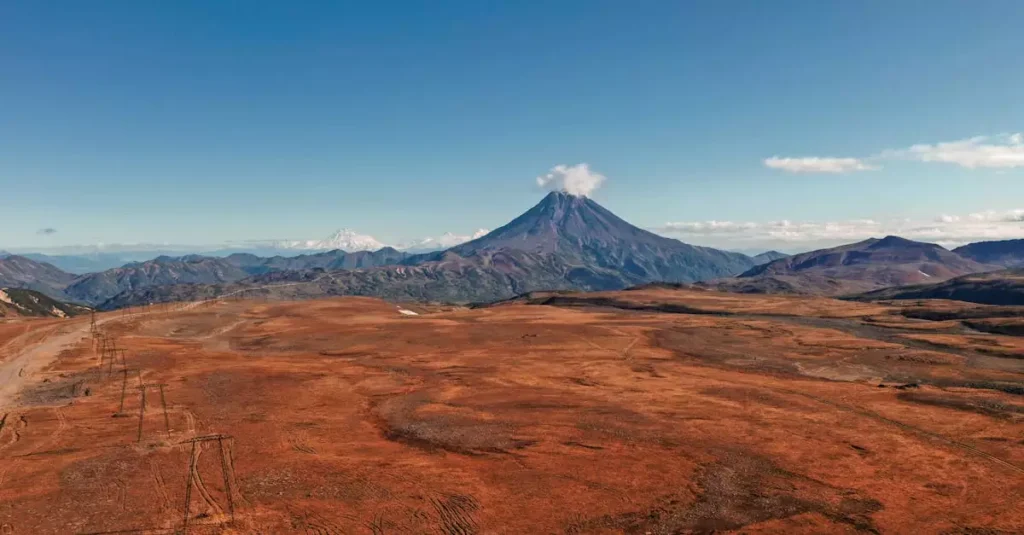
- Earthquakes and volcanic activities commonly occur along plate boundaries.
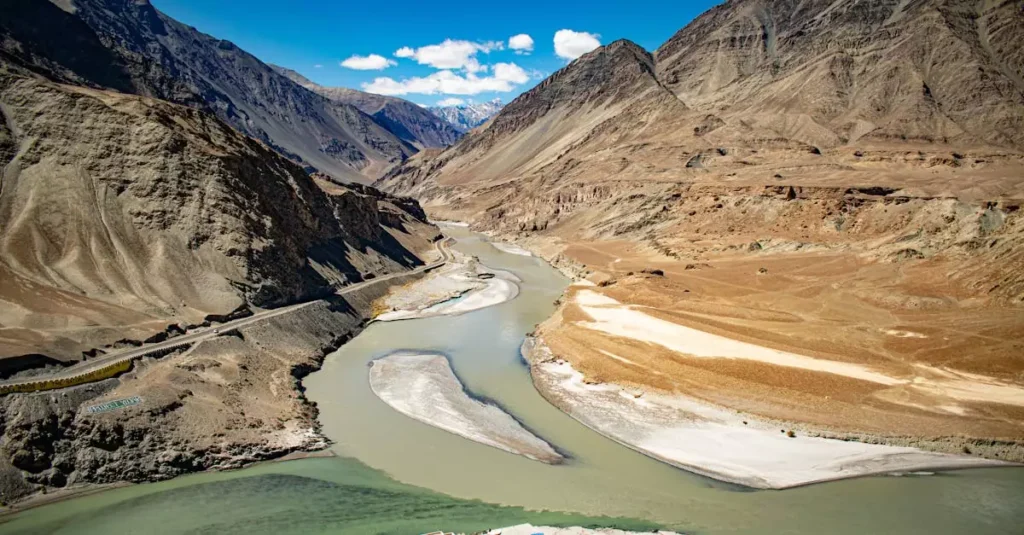
- The Himalayas were formed due to the collision of the Indian and Eurasian plates.
- Mid-ocean ridges are formed at divergent plate boundaries.
- Transform boundaries are characterized by lateral sliding of plates.
Q1. What type of plate boundary is characterized by two plates moving away from each other?
- A) Convergent boundary
- B) Divergent boundary
- C) Transform boundary
- D) Subduction zone
Show Answer
Answer: B) Divergent boundary
Explanation: Divergent boundaries occur where two tectonic plates move away from each other, leading to the formation of new crust as magma rises to the surface. This process typically forms mid-ocean ridges and rift valleys.
Q2. Which of the following plates is primarily responsible for the formation of the Himalayas?
- A) Pacific Plate
- B) African Plate
- C) Indian Plate
- D) Australian Plate
Show Answer
Answer: C) Indian Plate
Explanation: The Himalayas were formed due to the collision between the Indian Plate and the Eurasian Plate. This convergent boundary caused the crust to buckle and uplift, creating the mountain range.
Q3. What geological feature is typically formed at a transform plate boundary?
- A) Deep ocean trench
- B) Mid-ocean ridge
- C) Fault line
- D) Volcanic arc
Show Answer
Answer: C) Fault line
Explanation: Transform boundaries involve lateral sliding of plates past each other, which often creates fault lines such as the San Andreas Fault. These faults are zones of intense seismic activity.
Q4. Which process is responsible for the recycling of oceanic crust into the mantle?
- A) Sea-floor spreading
- B) Subduction
- C) Rift valley formation
- D) Mountain building
Show Answer
Answer: B) Subduction
Explanation: Subduction is the process where one tectonic plate moves beneath another, recycling oceanic crust into the mantle. This occurs at convergent boundaries and is associated with deep ocean trenches and volcanic activity.
Q5. The San Andreas Fault in California is an example of which type of plate boundary?
- A) Divergent boundary
- B) Convergent boundary
- C) Transform boundary
- D) Collisional boundary
Show Answer
Answer: C) Transform boundary
Explanation: The San Andreas Fault is a classic example of a transform boundary where the Pacific Plate slides horizontally past the North American Plate, causing frequent earthquakes along the fault line.
Q6. Which type of plate boundary is associated with the creation of new oceanic crust?
- A) Convergent boundary
- B) Divergent boundary
- C) Transform boundary
- D) Subduction zone
Show Answer
Answer: B) Divergent boundary
Explanation: New oceanic crust is formed at divergent boundaries where plates move apart, allowing magma to rise and solidify. This process is known as sea-floor spreading and forms mid-ocean ridges.
Q7. What is the primary driving force behind the movement of tectonic plates?
- A) Earth’s rotation
- B) Mantle convection currents
- C) Solar radiation
- D) Ocean currents
Show Answer
Answer: B) Mantle convection currents
Explanation: Mantle convection currents caused by heat from Earth’s core create a circulation pattern in the mantle that drives the movement of tectonic plates on the surface.
Q8. Which of the following is NOT a type of convergent plate boundary?
- A) Oceanic-continental convergence
- B) Oceanic-oceanic convergence
- C) Continental-continental convergence
- D) Divergent boundary
Show Answer
Answer: D) Divergent boundary
Explanation: Divergent boundaries are where plates move apart, which is the opposite of convergent boundaries where plates collide. Therefore, divergent boundary is not a type of convergent boundary.
Q9. Which oceanic feature is formed as a result of subduction zones?
- A) Mid-ocean ridge
- B) Oceanic trench
- C) Rift valley
- D) Volcanic plateau
Show Answer
Answer: B) Oceanic trench
Explanation: Oceanic trenches are deep underwater troughs formed at subduction zones where one oceanic plate is forced beneath another, creating some of the deepest parts of the ocean floor.
Q10. The Ring of Fire is associated with which tectonic activity?
- A) Divergent boundaries in the Atlantic Ocean
- B) Transform faults in the Indian Ocean
- C) Subduction zones around the Pacific Ocean
- D) Rift valleys in East Africa
Show Answer
Answer: C) Subduction zones around the Pacific Ocean
Explanation: The Ring of Fire is a horseshoe-shaped zone around the Pacific Ocean known for intense volcanic and seismic activity, caused primarily by multiple subduction zones.
Key Comparison
| Concept | Details |
|---|---|
| Divergent Boundary | Two plates move apart, creating new crust, typically forming mid-ocean ridges and rift valleys. |
| Convergent Boundary | Two plates collide, causing subduction or mountain building, leading to trenches and volcanic arcs. |
| Transform Boundary | Plates slide past each other horizontally, resulting in fault lines and earthquakes. |
| Subduction Zone | One plate moves beneath another, recycling crust into the mantle and causing deep ocean trenches. |
Important Points
- Plate tectonics explains the dynamic nature of Earth’s surface through plate movements.
- Understanding plate boundaries is essential for identifying geological features and hazards.
- Convergent boundaries can form mountains, trenches, and volcanic arcs depending on plate types.
- Divergent boundaries are sites of new crust formation and sea-floor spreading.
- Transform boundaries are characterized by lateral movement and frequent earthquakes.
- Subduction recycles oceanic crust and is a major cause of volcanic activity and deep trenches.
FAQs
What is the difference between convergent and divergent boundaries?
Convergent boundaries occur when two tectonic plates collide, often forming mountains or trenches. Divergent boundaries happen when plates move apart, creating new crust typically at mid-ocean ridges. Both processes shape Earth’s surface but have opposite plate movements.
How does plate tectonics affect earthquake formation?
Earthquakes commonly occur along plate boundaries where plates interact. At convergent and transform boundaries, stress builds up due to plate collisions or sliding, which is released suddenly as seismic energy causing earthquakes.
Why is the Ring of Fire so seismically active?
The Ring of Fire surrounds the Pacific Ocean and is seismically active due to numerous subduction zones where oceanic plates dive beneath continental or other oceanic plates, causing frequent earthquakes and volcanic eruptions.
In summary, this Plate Tectonics MCQ quiz has covered essential concepts such as types of plate boundaries, their geological features, and processes like subduction and sea-floor spreading. Mastery of these topics is vital for UPSC aspirants preparing for geography sections. Regular practice of such MCQs will strengthen your understanding and improve your performance in the exam. Keep practicing more questions to deepen your grasp of plate tectonics and related geological phenomena.