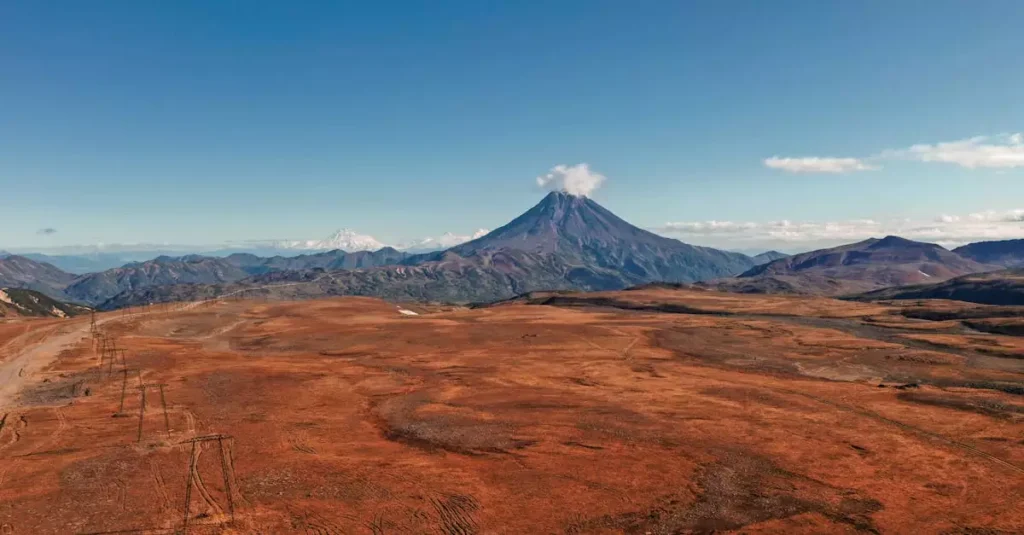
Understanding the dynamic nature of Earth’s surface is crucial for UPSC aspirants, especially when it comes to the study of plate tectonics. This Plate Tectonics MCQ quiz is designed to test your knowledge on the fundamental concepts and processes involved in the movement of Earth’s lithospheric plates. Plate tectonics explains the formation of mountains, earthquakes, volcanic activity, and the distribution of continents and oceans. Through these carefully crafted questions, you will deepen your grasp of how tectonic plates interact at boundaries, the types of plate movements, and the geological phenomena associated with them. Attempt all questions before revealing answers to challenge yourself and enhance your preparation for the UPSC Geography section effectively.
Quick Facts
- Plate tectonics theory explains the movement of Earth’s lithospheric plates over the asthenosphere.
- There are seven major tectonic plates and several minor plates globally.
- Plate boundaries are classified as divergent, convergent, and transform boundaries.
- Subduction zones occur where one plate moves beneath another, often causing volcanic activity.
- Mid-ocean ridges are sites of seafloor spreading where new crust is formed.
- Earthquakes commonly occur along plate boundaries due to stress accumulation and release.
- Continental drift is a precursor concept to the modern theory of plate tectonics.
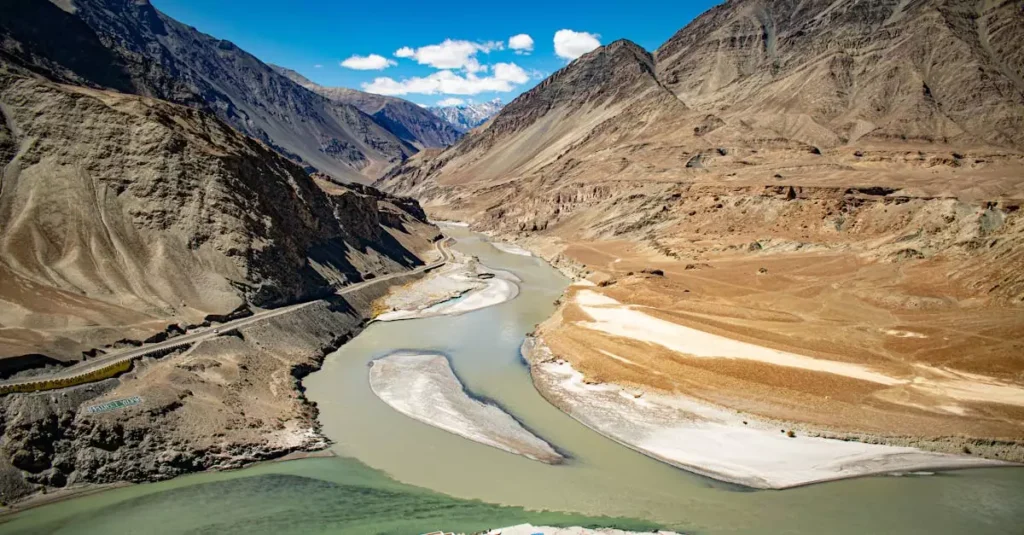
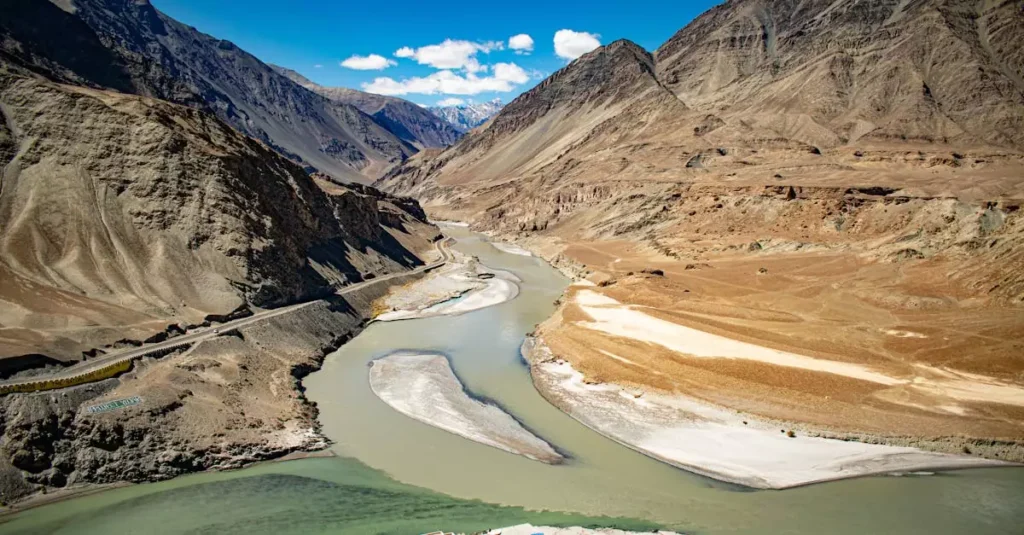
- The Himalayas formed due to the collision of the Indian Plate with the Eurasian Plate.
Q1. Which layer of the Earth do tectonic plates primarily consist of?
- A) Asthenosphere
- B) Lithosphere
- C) Mesosphere
- D) Outer core
Show Answer
Answer: B) Lithosphere
Explanation: Tectonic plates are composed of the lithosphere, which includes the crust and the uppermost solid part of the mantle. This rigid layer floats on the more ductile asthenosphere beneath it, allowing the plates to move.
Q2. What type of plate boundary is characterized by plates moving away from each other?
- A) Convergent boundary
- B) Transform boundary
- C) Divergent boundary
- D) Subduction boundary
Show Answer
Answer: C) Divergent boundary
Explanation: Divergent boundaries occur where tectonic plates move apart from each other. This movement often results in the formation of new crust, such as at mid-ocean ridges, through seafloor spreading.
Q3. Which geological feature is commonly formed at convergent boundaries where two continental plates collide?
- A) Oceanic trench
- B) Mid-ocean ridge
- C) Mountain ranges
- D) Rift valley
Show Answer
Answer: C) Mountain ranges
Explanation: When two continental plates converge, they push against each other causing the crust to buckle and fold, forming mountain ranges. The Himalayas are a prime example of such a collision.
Q4. The San Andreas Fault in California is an example of which type of plate boundary?
- A) Divergent boundary
- B) Convergent boundary
- C) Transform boundary
- D) Subduction zone
Show Answer
Answer: C) Transform boundary
Explanation: The San Andreas Fault is a transform boundary where two plates slide past each other horizontally. This lateral movement causes frequent earthquakes in the region.
Q5. What process occurs at oceanic trenches formed by subduction zones?
- A) Creation of new oceanic crust
- B) Melting of the subducted plate and volcanic activity
- C) Seafloor spreading
- D) Formation of rift valleys
Show Answer
Answer: B) Melting of the subducted plate and volcanic activity
Explanation: At subduction zones, the denser oceanic plate sinks beneath another plate and melts in the mantle. This melting generates magma that can rise to form volcanic arcs near oceanic trenches.
Q6. Which scientist is credited with developing the theory of plate tectonics?
- A) Alfred Wegener
- B) J. Tuzo Wilson
- C) Harry Hess
- D) All of the above
Show Answer
Answer: D) All of the above
Explanation: Alfred Wegener proposed continental drift, Harry Hess introduced seafloor spreading, and J. Tuzo Wilson contributed concepts like transform faults. Together, their work formed the foundation of plate tectonics theory.
Q7. What drives the movement of tectonic plates according to current scientific understanding?
- A) Earth’s magnetic field
- B) Mantle convection currents
- C) Solar radiation
- D) Ocean currents
Show Answer
Answer: B) Mantle convection currents
Explanation: Mantle convection currents caused by heat from the Earth’s interior create a slow, circulating movement in the mantle. These currents exert force on the base of tectonic plates, driving their motion.
Q8. Which of the following is NOT a result of plate tectonic activity?
- A) Earthquakes
- B) Volcanic eruptions
- C) Tsunamis
- D) Solar eclipses
Show Answer
Answer: D) Solar eclipses
Explanation: Solar eclipses are astronomical events caused by the alignment of the Sun, Moon, and Earth, unrelated to tectonic plate movements, which primarily cause geological phenomena like earthquakes and volcanic eruptions.
Q9. The Ring of Fire is associated with which tectonic feature?
- A) Divergent boundaries in the Atlantic Ocean
- B) Subduction zones around the Pacific Ocean
- C) Transform faults in Africa
- D) Continental rift valleys
Show Answer
Answer: B) Subduction zones around the Pacific Ocean
Explanation: The Ring of Fire is a horseshoe-shaped zone around the Pacific Ocean characterized by frequent earthquakes and volcanic eruptions. It is formed primarily by subduction zones where oceanic plates sink beneath continental or other oceanic plates.
Q10. Which type of plate boundary is most likely to form a rift valley?
- A) Convergent boundary
- B) Divergent boundary
- C) Transform boundary
- D) Subduction zone
Show Answer
Answer: B) Divergent boundary
Explanation: Rift valleys form at divergent boundaries where tectonic plates move apart. The crust thins and sinks between two faults, creating a valley such as the East African Rift.
Key Comparison
| Concept | Details |
|---|---|
| Divergent Boundaries | Plates move apart, creating new crust, mid-ocean ridges, and rift valleys. |
| Convergent Boundaries | Plates collide, causing mountain building, subduction, and volcanic arcs. |
| Transform Boundaries | Plates slide past each other horizontally, causing earthquakes along faults. |
| Subduction Zones | One plate sinks beneath another, leading to melting and volcanic activity. |
Important Points
- Plate tectonics explains the large-scale movement of Earth’s lithosphere.
- There are three main types of plate boundaries: divergent, convergent, and transform.
- Mountain ranges form primarily at convergent boundaries between continental plates.
- Subduction zones are responsible for deep ocean trenches and volcanic arcs.
- Earthquakes frequently occur along all types of plate boundaries due to stress release.
- Mantle convection currents are the driving force behind plate movements.
FAQs
What is the difference between lithosphere and asthenosphere?
The lithosphere is the rigid outer layer of Earth, including the crust and upper mantle, which forms tectonic plates. The asthenosphere lies beneath it and is semi-fluid, allowing the lithospheric plates to move over it.
How do earthquakes relate to plate tectonics?
Earthquakes occur when stress builds up along plate boundaries or faults and is suddenly released. This movement is a direct result of tectonic plates interacting, such as colliding, sliding, or pulling apart.
Why are volcanic eruptions common at subduction zones?
At subduction zones, the descending plate melts due to high temperature and pressure, generating magma. This magma rises through the crust, often resulting in volcanic eruptions near the subduction zone.
Can plates move without causing earthquakes?
While most plate movements cause earthquakes, some slow or steady movements may result in less seismic activity. However, sudden shifts or locking at boundaries typically trigger earthquakes.
What is seafloor spreading?
Seafloor spreading occurs at divergent boundaries where magma rises to create new oceanic crust, pushing older crust away from the ridge, continuously renewing the ocean floor.
How did the Himalayas form according to plate tectonics?
The Himalayas formed when the Indian Plate collided with the Eurasian Plate, causing the crust to crumple and fold, resulting in the highest mountain range on Earth.
Are all earthquakes caused by tectonic plate movement?
Most earthquakes are caused by tectonic plate movement. However, some can result from volcanic activity or human-induced causes like mining or reservoir-induced seismicity.
What role did Alfred Wegener play in plate tectonics?
Alfred Wegener proposed the theory of continental drift, suggesting continents moved over time. His ideas laid the foundation for the modern theory of plate tectonics developed later.
In conclusion, mastering the concepts related to plate tectonics is essential for UPSC Geography preparation. This Plate Tectonics MCQ quiz covered key topics such as plate boundaries, tectonic processes, and geological features resulting from plate movements. Regular practice of such MCQs helps reinforce understanding and prepares candidates for challenging questions in the exam. Keep practicing more questions to strengthen your grasp on this fundamental geography topic and excel in your UPSC journey.