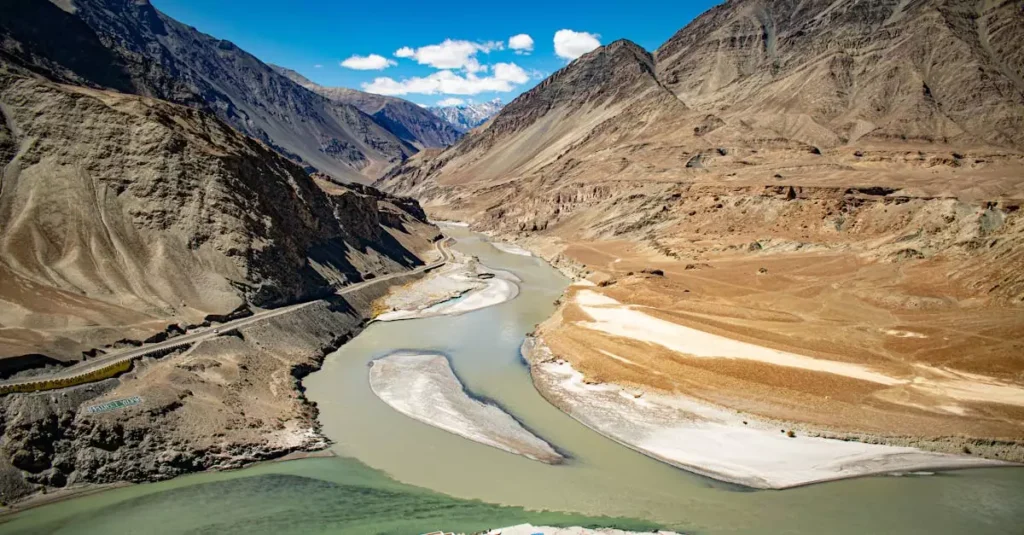
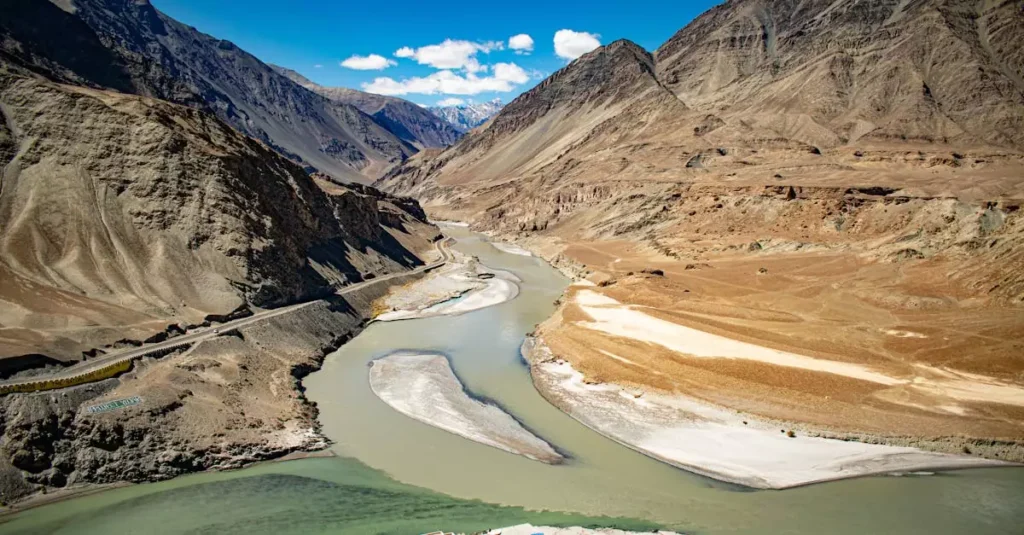
The Indus Valley Civilization MCQ quiz offers a comprehensive opportunity for UPSC aspirants to test their knowledge about one of the world’s earliest urban cultures. This ancient civilization, flourishing around 2500 BCE in the northwestern regions of South Asia, is renowned for its advanced city planning, sophisticated drainage systems, and undeciphered script. Understanding its social, economic, and cultural aspects is crucial for history enthusiasts and competitive exam candidates alike. This quiz contains medium difficulty questions designed to challenge your grasp on various facets of the Indus Valley Civilization, including its discovery, key sites, trade practices, and decline. Attempt all questions before revealing answers to maximize your learning and retention. Sharpen your skills with this focused set of Indus Valley Civilization MCQ questions and enhance your preparation for the UPSC examination.
Quick Facts
The Indus Valley Civilization flourished between 3300 BCE and 1300 BCE.
Major sites include Harappa, Mohenjo-Daro, and Dholavira.
It had a highly developed urban planning system with grid layouts.
The civilization featured advanced drainage and sewage systems.
Its script remains undeciphered despite extensive research.
Trade networks extended to Mesopotamia and Central Asia.
The economy was based on agriculture, trade, and craft specialization.
The decline of the civilization is still debated among historians.
Q1. Which river was the Indus Valley Civilization primarily centered around?
A) Ganges
B) Indus
C) Yamuna
D) Saraswati
Show Answer
Answer: B) Indus
Explanation: The Indus Valley Civilization was primarily situated along the Indus River and its tributaries, which provided water resources essential for agriculture and settlement development. This river system supported the growth of major urban centers like Harappa and Mohenjo-Daro.
Q2. Which of the following was NOT a major urban center of the Indus Valley Civilization?
A) Harappa
B) Mohenjo-Daro
C) Lothal
D) Pataliputra
Show Answer
Answer: D) Pataliputra
Explanation: Pataliputra was an important city during the Mauryan period, much later than the Indus Valley Civilization. The major Indus Valley urban centers included Harappa, Mohenjo-Daro, and Lothal, known for their advanced city planning and trade activities.
Q3. What is the significance of the Great Bath found at Mohenjo-Daro?
A) It was a water reservoir for irrigation
B) It was used for religious or ritualistic purposes
C) It served as a marketplace
D) It was a defensive structure
Show Answer
Answer: B) It was used for religious or ritualistic purposes
Explanation: The Great Bath at Mohenjo-Daro is believed to have been used for ceremonial bathing or ritual purification, indicating the cultural and religious sophistication of the Indus Valley people. Its construction reflects advanced engineering and urban planning.
Q4. Which material was commonly used for making seals in the Indus Valley Civilization?
A) Clay
B) Stone
C) Metal
D) Terracotta
Show Answer
Answer: B) Stone
Explanation: The Indus Valley Civilization is famous for its intricately carved stone seals made primarily from steatite. These seals often featured animal motifs and inscriptions, possibly serving as identification or trade markers.
Q5. What is the status of the Indus script discovered on seals and pottery?
A) Fully deciphered and understood
B) Partially deciphered with some meanings known
C) Completely undeciphered
D) Proven to be a modern forgery
Show Answer
Answer: C) Completely undeciphered
Explanation: Despite numerous attempts, the Indus script remains undeciphered. The short length of inscriptions and lack of bilingual texts have hindered scholars from fully understanding this ancient writing system.
Q6. Which of the following was a major economic activity of the Indus Valley Civilization?
A) Hunting and gathering
B) Agriculture and trade
C) Nomadic herding
D) Industrial manufacturing
Show Answer
Answer: B) Agriculture and trade
Explanation: The people of the Indus Valley Civilization practiced advanced agriculture, cultivating wheat, barley, and other crops. They also engaged in extensive trade with neighboring regions, including Mesopotamia, facilitating economic prosperity.
Q7. Which of the following best describes the drainage system of the Indus Valley cities?
A) Open drains running alongside streets
B) Underground covered drains connected to houses
C) Natural river channels used as drainage
D) No drainage system existed
Show Answer
Answer: B) Underground covered drains connected to houses
Explanation: Indus Valley cities featured sophisticated underground drainage systems with covered drains connected to individual houses, showcasing advanced urban sanitation and public health awareness in ancient times.
Q8. Which animal is frequently depicted on Indus Valley seals?
A) Elephant
B) Tiger
C) Unicorn or one-horned bull
D) Lion
Show Answer
Answer: C) Unicorn or one-horned bull
Explanation: The so-called “unicorn” or one-horned bull is a common motif on Indus seals, symbolizing cultural or religious significance. These depictions provide insight into the symbolic world of the civilization.
Q9. What is one of the main theories regarding the decline of the Indus Valley Civilization?
A) Invasion by Alexander the Great
B) Natural disasters like floods and droughts
C) Sudden technological collapse
D) Complete isolation from trade
Show Answer
Answer: B) Natural disasters like floods and droughts
Explanation: Scholars suggest that environmental factors such as floods, shifts in river courses, and prolonged droughts contributed significantly to the decline of the Indus Valley Civilization, disrupting agriculture and settlements.
Q10. Which of the following statements about the social structure of the Indus Valley Civilization is correct?
A) It had a clearly defined caste system like later Indian society
B) Evidence suggests a relatively egalitarian society without rigid social hierarchy
C) It was ruled by a monarchy with a divine king
D) Society was divided into slaves and masters exclusively
Show Answer
Answer: B) Evidence suggests a relatively egalitarian society without rigid social hierarchy
Explanation: Archaeological findings indicate that the Indus Valley Civilization likely maintained a relatively egalitarian social structure, as there is little evidence of palaces or temples suggesting centralized authority or strict social stratification.
Key Comparison
Concept
Details
Urban Planning
Grid-based city layouts with advanced drainage and sanitation systems.
Writing System
Undeciphered script found on seals and pottery with unknown meanings.
Economic Activities
Agriculture, trade with Mesopotamia, and craft specialization.
Decline Factors
Likely caused by environmental changes such as floods and droughts.
Important Points
The Indus Valley Civilization was one of the world’s earliest urban cultures.
Major cities include Harappa, Mohenjo-Daro, and Lothal.
It featured sophisticated drainage and water management systems.
The Indus script remains undeciphered despite extensive research.
Trade networks extended beyond the Indian subcontinent.
Its decline is attributed mainly to environmental and climatic changes.
FAQs
What is the significance of the Indus Valley Civilization in Indian history?
The Indus Valley Civilization is significant as one of the earliest urban cultures in Indian history, showcasing advanced city planning, social organization, and trade networks. It laid foundational aspects of culture and economy in the region, influencing subsequent civilizations.
Why is the Indus script difficult to decipher?
The Indus script is difficult to decipher due to its short inscriptions, lack of bilingual texts, and unknown language roots. These challenges have prevented scholars from fully understanding the symbols and their meanings despite decades of research.
How did the Indus Valley Civilization manage water and sanitation?
The civilization developed an advanced drainage system with covered underground drains connected to houses and public baths. This system ensured efficient waste disposal and water management, reflecting their concern for urban hygiene and public health.
The Indus Valley Civilization MCQ quiz covers essential aspects of this ancient culture, including its geography, urban planning, economy, and decline. Mastery of these questions will strengthen your understanding of Indian history, particularly for UPSC exam preparation. Consistent practice of such MCQs is vital to grasp complex historical concepts and improve exam performance. Keep revisiting these practice questions to enhance your confidence and knowledge about the Indus Valley Civilization.
The Indus Valley Civilization MCQ quiz offers a comprehensive opportunity for UPSC aspirants to test their knowledge about one of the world’s earliest urban cultures. This ancient civilization, flourishing around 2500 BCE in the northwestern regions of South Asia, is renowned for its advanced city planning, sophisticated drainage systems, and undeciphered script. Understanding its social, economic, and cultural aspects is crucial for history enthusiasts and competitive exam candidates alike. This quiz contains medium difficulty questions designed to challenge your grasp on various facets of the Indus Valley Civilization, including its discovery, key sites, trade practices, and decline. Attempt all questions before revealing answers to maximize your learning and retention. Sharpen your skills with this focused set of Indus Valley Civilization MCQ questions and enhance your preparation for the UPSC examination.
Quick Facts
The Indus Valley Civilization flourished between 3300 BCE and 1300 BCE.
Major sites include Harappa, Mohenjo-Daro, and Dholavira.
It had a highly developed urban planning system with grid layouts.
The civilization featured advanced drainage and sewage systems.
Its script remains undeciphered despite extensive research.
Trade networks extended to Mesopotamia and Central Asia.
The economy was based on agriculture, trade, and craft specialization.
The decline of the civilization is still debated among historians.
Q1. Which river was the Indus Valley Civilization primarily centered around?
A) Ganges
B) Indus
C) Yamuna
D) Saraswati
Show Answer
Answer: B) Indus
Explanation: The Indus Valley Civilization was primarily situated along the Indus River and its tributaries, which provided water resources essential for agriculture and settlement development. This river system supported the growth of major urban centers like Harappa and Mohenjo-Daro.
Q2. Which of the following was NOT a major urban center of the Indus Valley Civilization?
A) Harappa
B) Mohenjo-Daro
C) Lothal
D) Pataliputra
Show Answer
Answer: D) Pataliputra
Explanation: Pataliputra was an important city during the Mauryan period, much later than the Indus Valley Civilization. The major Indus Valley urban centers included Harappa, Mohenjo-Daro, and Lothal, known for their advanced city planning and trade activities.
Q3. What is the significance of the Great Bath found at Mohenjo-Daro?
A) It was a water reservoir for irrigation
B) It was used for religious or ritualistic purposes
C) It served as a marketplace
D) It was a defensive structure
Show Answer
Answer: B) It was used for religious or ritualistic purposes
Explanation: The Great Bath at Mohenjo-Daro is believed to have been used for ceremonial bathing or ritual purification, indicating the cultural and religious sophistication of the Indus Valley people. Its construction reflects advanced engineering and urban planning.
Q4. Which material was commonly used for making seals in the Indus Valley Civilization?
A) Clay
B) Stone
C) Metal
D) Terracotta
Show Answer
Answer: B) Stone
Explanation: The Indus Valley Civilization is famous for its intricately carved stone seals made primarily from steatite. These seals often featured animal motifs and inscriptions, possibly serving as identification or trade markers.
Q5. What is the status of the Indus script discovered on seals and pottery?
A) Fully deciphered and understood
B) Partially deciphered with some meanings known
C) Completely undeciphered
D) Proven to be a modern forgery
Show Answer
Answer: C) Completely undeciphered
Explanation: Despite numerous attempts, the Indus script remains undeciphered. The short length of inscriptions and lack of bilingual texts have hindered scholars from fully understanding this ancient writing system.
Q6. Which of the following was a major economic activity of the Indus Valley Civilization?
A) Hunting and gathering
B) Agriculture and trade
C) Nomadic herding
D) Industrial manufacturing
Show Answer
Answer: B) Agriculture and trade
Explanation: The people of the Indus Valley Civilization practiced advanced agriculture, cultivating wheat, barley, and other crops. They also engaged in extensive trade with neighboring regions, including Mesopotamia, facilitating economic prosperity.
Q7. Which of the following best describes the drainage system of the Indus Valley cities?
A) Open drains running alongside streets
B) Underground covered drains connected to houses
C) Natural river channels used as drainage
D) No drainage system existed
Show Answer
Answer: B) Underground covered drains connected to houses
Explanation: Indus Valley cities featured sophisticated underground drainage systems with covered drains connected to individual houses, showcasing advanced urban sanitation and public health awareness in ancient times.
Q8. Which animal is frequently depicted on Indus Valley seals?
A) Elephant
B) Tiger
C) Unicorn or one-horned bull
D) Lion
Show Answer
Answer: C) Unicorn or one-horned bull
Explanation: The so-called “unicorn” or one-horned bull is a common motif on Indus seals, symbolizing cultural or religious significance. These depictions provide insight into the symbolic world of the civilization.
Q9. What is one of the main theories regarding the decline of the Indus Valley Civilization?
A) Invasion by Alexander the Great
B) Natural disasters like floods and droughts
C) Sudden technological collapse
D) Complete isolation from trade
Show Answer
Answer: B) Natural disasters like floods and droughts
Explanation: Scholars suggest that environmental factors such as floods, shifts in river courses, and prolonged droughts contributed significantly to the decline of the Indus Valley Civilization, disrupting agriculture and settlements.
Q10. Which of the following statements about the social structure of the Indus Valley Civilization is correct?
A) It had a clearly defined caste system like later Indian society
B) Evidence suggests a relatively egalitarian society without rigid social hierarchy
C) It was ruled by a monarchy with a divine king
D) Society was divided into slaves and masters exclusively
Show Answer
Answer: B) Evidence suggests a relatively egalitarian society without rigid social hierarchy
Explanation: Archaeological findings indicate that the Indus Valley Civilization likely maintained a relatively egalitarian social structure, as there is little evidence of palaces or temples suggesting centralized authority or strict social stratification.
Key Comparison
Concept
Details
Urban Planning
Grid-based city layouts with advanced drainage and sanitation systems.
Writing System
Undeciphered script found on seals and pottery with unknown meanings.
Economic Activities
Agriculture, trade with Mesopotamia, and craft specialization.
Decline Factors
Likely caused by environmental changes such as floods and droughts.
Important Points
The Indus Valley Civilization was one of the world’s earliest urban cultures.
Major cities include Harappa, Mohenjo-Daro, and Lothal.
It featured sophisticated drainage and water management systems.
The Indus script remains undeciphered despite extensive research.
Trade networks extended beyond the Indian subcontinent.
Its decline is attributed mainly to environmental and climatic changes.
FAQs
What is the significance of the Indus Valley Civilization in Indian history?
The Indus Valley Civilization is significant as one of the earliest urban cultures in Indian history, showcasing advanced city planning, social organization, and trade networks. It laid foundational aspects of culture and economy in the region, influencing subsequent civilizations.
Why is the Indus script difficult to decipher?
The Indus script is difficult to decipher due to its short inscriptions, lack of bilingual texts, and unknown language roots. These challenges have prevented scholars from fully understanding the symbols and their meanings despite decades of research.
How did the Indus Valley Civilization manage water and sanitation?
The civilization developed an advanced drainage system with covered underground drains connected to houses and public baths. This system ensured efficient waste disposal and water management, reflecting their concern for urban hygiene and public health.
The Indus Valley Civilization MCQ quiz covers essential aspects of this ancient culture, including its geography, urban planning, economy, and decline. Mastery of these questions will strengthen your understanding of Indian history, particularly for UPSC exam preparation. Consistent practice of such MCQs is vital to grasp complex historical concepts and improve exam performance. Keep revisiting these practice questions to enhance your confidence and knowledge about the Indus Valley Civilization.