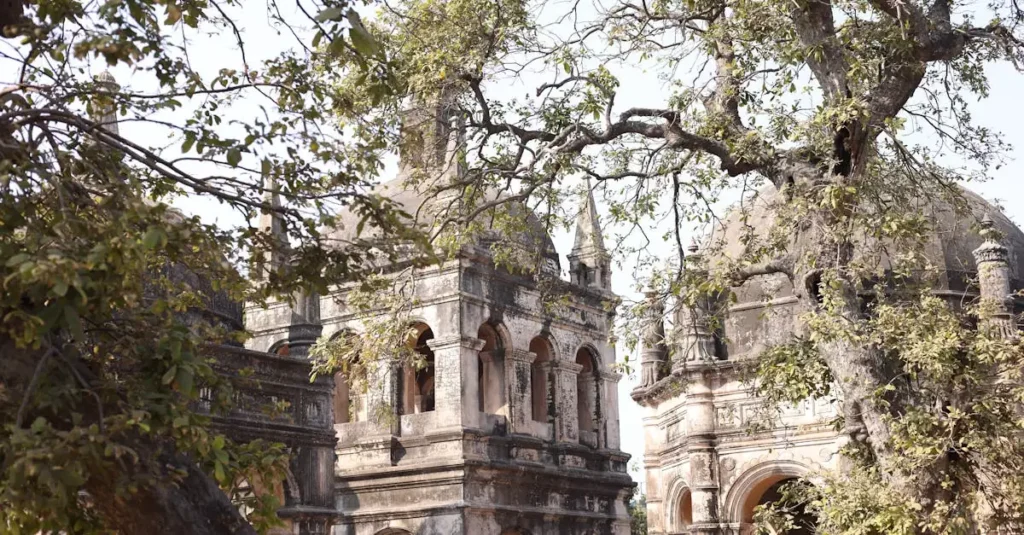
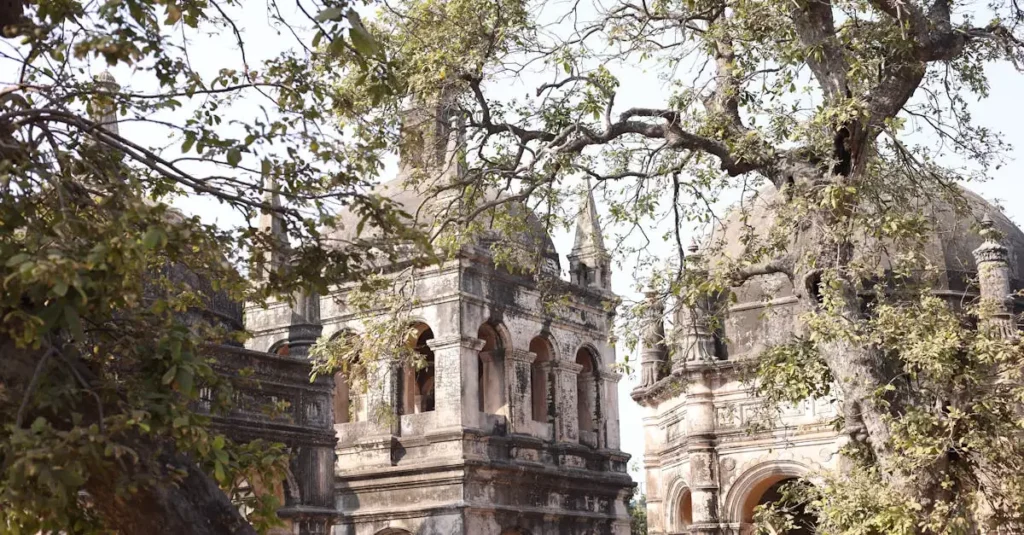
The Indus Valley Civilization MCQ quiz offers a comprehensive challenge tailored for UPSC aspirants aiming to deepen their understanding of one of the world’s earliest urban cultures. This ancient civilization, flourishing around 3300 BCE to 1300 BCE in present-day Pakistan and northwest India, is renowned for its advanced city planning, trade systems, and undeciphered script. The quiz covers critical aspects such as archaeological discoveries, cultural practices, and socio-economic structures that shaped this remarkable civilization. Attempt all questions before revealing answers to test your knowledge effectively and improve your exam readiness in Indian history. This set of medium difficulty questions is designed to enhance your grasp of the Indus Valley Civilization, a vital topic in UPSC history syllabus.
Quick Facts
The Indus Valley Civilization is also known as the Harappan Civilization.
It flourished around 3300 BCE to 1300 BCE in the northwestern regions of South Asia.
Major cities include Harappa, Mohenjo-Daro, and Dholavira.
The civilization is noted for its advanced urban planning and drainage systems.
Its script remains undeciphered despite numerous attempts.
Trade was conducted with Mesopotamia and other distant regions.
Artifacts include seals, pottery, and figurines reflecting cultural practices.
The civilization declined due to reasons still debated by historians, including climate change and invasions.
Q1. Which of the following rivers was central to the development of the Indus Valley Civilization?
A) Ganges
B) Yamuna
C) Indus
D) Godavari
Show Answer
Answer: C) Indus
Explanation: The Indus River was the lifeline of the Indus Valley Civilization, providing water for agriculture, trade routes, and settlement locations. It played a crucial role in the emergence and sustenance of this ancient urban culture.
Q2. Which city is famous for its well-planned grid layout and advanced drainage system in the Indus Valley Civilization?
A) Lothal
B) Harappa
C) Mohenjo-Daro
D) Kalibangan
Show Answer
Answer: C) Mohenjo-Daro
Explanation: Mohenjo-Daro is renowned for its exceptional urban planning, featuring a rectangular grid layout and an elaborate drainage system that was advanced for its time, ensuring efficient sewage disposal and sanitation.
Q3. The script used by the Indus Valley Civilization is:
A) Brahmi
B) Kharosthi
C) Undeciphered
D) Sanskrit
Show Answer
Answer: C) Undeciphered
Explanation: The Indus script remains undeciphered despite extensive research. Its symbols appear on seals and pottery, but the absence of bilingual texts has hindered a complete understanding of the language and meaning.
Q4. Which of the following was NOT a major city of the Indus Valley Civilization?
A) Harappa
B) Mohenjo-Daro
C) Taxila
D) Dholavira
Show Answer
Answer: C) Taxila
Explanation: Taxila was an important ancient city but belongs to a later period and different cultural context than the Indus Valley Civilization. Harappa, Mohenjo-Daro, and Dholavira were key Harappan cities.
Q5. The Great Bath discovered at Mohenjo-Daro is believed to have been used for:
A) Military training
B) Religious or ritualistic purposes
C) Public swimming
D) Storage of grains
Show Answer
Answer: B) Religious or ritualistic purposes
Explanation: The Great Bath is interpreted as a ceremonial tank used for ritual purification or religious ceremonies, highlighting the spiritual aspects of the Indus Valley Civilization.
Q6. Which material was commonly used for making seals in the Indus Valley Civilization?
A) Gold
B) Steatite
C) Bronze
D) Terracotta
Show Answer
Answer: B) Steatite
Explanation: Steatite, a soft stone, was commonly used to craft seals that bore Indus script and animal motifs. These seals were likely used for trade, identification, and administrative purposes.
Q7. Which of the following statements about the economy of the Indus Valley Civilization is true?
A) It was primarily based on hunting and gathering.
B) Agriculture was the mainstay, supplemented by trade and crafts.
C) The civilization relied only on pastoralism.
D) It had no trade relations outside the subcontinent.
Show Answer
Answer: B) Agriculture was the mainstay, supplemented by trade and crafts.
Explanation: The Indus Valley economy was agrarian, growing wheat, barley, and cotton, along with flourishing trade networks and skilled craftsmanship, including bead-making and metallurgy.
Q8. Which of the following is considered a possible reason for the decline of the Indus Valley Civilization?
A) Invasion by Alexander the Great
B) Climate change and river shifts
C) British colonization
D) Industrial pollution
Show Answer
Answer: B) Climate change and river shifts
Explanation: Scholars suggest that climatic shifts causing droughts and changes in river courses contributed to the decline of the Indus Valley Civilization, disrupting agriculture and habitation.
Q9. The discovery of which site provided evidence of a dockyard used for maritime trade in the Indus Valley Civilization?
A) Harappa
B) Lothal
C) Mohenjo-Daro
D) Kalibangan
Show Answer
Answer: B) Lothal
Explanation: Lothal, located in present-day Gujarat, contained a well-engineered dockyard, indicating active maritime trade with distant regions, including Mesopotamia, enhancing the civilization’s economic reach.
Q10. Which animal frequently appears on the seals of the Indus Valley Civilization?
A) Elephant
B) Tiger
C) Unicorn-like figure
D) Lion
Show Answer
Answer: C) Unicorn-like figure
Explanation: The so-called “unicorn” animal is a common motif on Indus seals, symbolizing cultural or religious significance, although its exact meaning remains unclear due to the undeciphered script.
Key Comparison
Concept
Details
Urban Planning
Indus cities like Mohenjo-Daro featured grid layouts and sophisticated drainage systems, reflecting advanced civil engineering.
Script
The Indus script remains undeciphered, limiting full understanding of their language and administration.
Economy
Agriculture was primary, supported by extensive trade networks including maritime trade with Mesopotamia.
Decline
Likely caused by climatic changes, river course shifts, and possibly socio-political factors, though exact reasons are debated.
Important Points
The Indus Valley Civilization is one of the world’s earliest urban cultures with remarkable city planning.
Major sites include Harappa, Mohenjo-Daro, and Lothal, each with unique archaeological significance.
The civilization’s script remains undeciphered, posing challenges for historical interpretation.
Trade, agriculture, and crafts formed the backbone of their economy.
Advanced drainage and water management systems highlight their technological achievements.
The reasons for the civilization’s decline include environmental and possibly external factors.
FAQs
What is the time period of the Indus Valley Civilization?
The Indus Valley Civilization flourished approximately between 3300 BCE and 1300 BCE, marking it as one of the earliest urban cultures in South Asia with advanced societal structures.
Why is the Indus script undeciphered?
The Indus script remains undeciphered mainly due to the lack of bilingual inscriptions and limited understanding of the language it represents, making it difficult for scholars to interpret its symbols accurately.
What were the main economic activities in the Indus Valley Civilization?
The economy was primarily based on agriculture, cultivating crops like wheat and barley, supplemented by trade, crafts such as bead-making, and metallurgy, which supported urban prosperity.
The Indus Valley Civilization MCQ quiz has explored key aspects of this ancient culture, including its urban planning, economy, script, and decline. Understanding these concepts is crucial for UPSC aspirants preparing for Indian history sections. Regular practice of such MCQs enhances retention and exam readiness. Keep engaging with more practice questions to strengthen your grasp of the Indus Valley Civilization and other historical topics.