UPSC IR Quiz – UN (Part 1)
Welcome to this UPSC International Relations quiz focused on United Nations organizations. This UN MCQ set is designed to test and enhance your understanding of various UN bodies, their functions, and their global significance. The United Nations plays a pivotal role in maintaining international peace, promoting human rights, and fostering development worldwide. By attempting these practice questions, you will gain deeper insights into the structure and roles of different UN organizations, which is essential for UPSC aspirants preparing for the International Relations segment. Attempt all questions carefully before revealing the answers to maximize your learning experience and improve your exam readiness.
Quick Facts
- The United Nations was established in 1945 to promote international cooperation and peace.
- The UN has six principal organs including the General Assembly and the Security Council.
- The International Court of Justice is the principal judicial organ of the UN.
- The UN Secretariat is headed by the Secretary-General.
- The UN specialized agencies include WHO, UNESCO, and IMF among others.
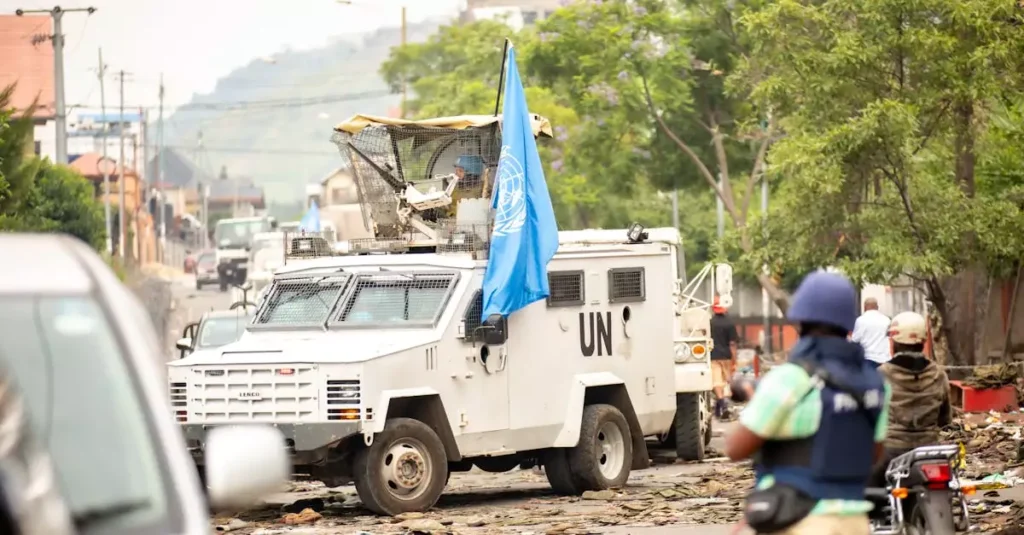
- The UN Peacekeeping forces are deployed worldwide to maintain peace and security.
- The UN Human Rights Council monitors human rights issues globally.
- The Sustainable Development Goals (SDGs) are a UN initiative for global development by 2030.
Q1. Which UN organ is primarily responsible for maintaining international peace and security?
- A) General Assembly
- B) Security Council
- C) International Court of Justice
- D) Economic and Social Council
Show Answer
Answer: B) Security Council
Explanation: The Security Council is the UN organ charged with the responsibility to maintain international peace and security. It has the power to authorize peacekeeping missions and impose sanctions, making it central to conflict resolution.
Q2. Which UN agency is primarily concerned with global public health?
- A) UNESCO
- B) UNICEF
- C) WHO
- D) ILO
Show Answer
Answer: C) WHO
Explanation: The World Health Organization (WHO) is the UN specialized agency responsible for international public health. It coordinates efforts to combat diseases and promote health worldwide.
Q3. The International Court of Justice (ICJ) is located in which city?
- A) New York
- B) Geneva
- C) The Hague
- D) Vienna
Show Answer
Answer: C) The Hague
Explanation: The International Court of Justice, the UN’s principal judicial organ, is based in The Hague, Netherlands. It settles legal disputes between states and provides advisory opinions.
Q4. Which UN body is responsible for coordinating economic, social, and related work?
- A) Security Council
- B) Economic and Social Council (ECOSOC)
- C) Trusteeship Council
- D) Secretariat
Show Answer
Answer: B) Economic and Social Council (ECOSOC)
Explanation: ECOSOC is the UN organ responsible for coordinating economic, social, and related work of the UN and its specialized agencies. It promotes international economic and social cooperation and development.
Q5. Who is the head of the United Nations Secretariat?
- A) President of the General Assembly
- B) Chief Justice of ICJ
- C) Secretary-General
- D) President of the Security Council
Show Answer
Answer: C) Secretary-General
Explanation: The Secretary-General is the chief administrative officer of the UN Secretariat. This position is pivotal for the UN’s day-to-day functioning and global diplomatic efforts.
Q6. Which UN specialized agency focuses on education, science, and culture?
- A) WHO
- B) UNESCO
- C) IMF
- D) WTO
Show Answer
Answer: B) UNESCO
Explanation: The United Nations Educational, Scientific and Cultural Organization (UNESCO) promotes international collaboration in education, science, and culture to foster peace and security.
Q7. What is the main purpose of the UN Trusteeship Council?
- A) To oversee peacekeeping operations
- B) To supervise the administration of trust territories
- C) To coordinate economic development
- D) To monitor human rights violations
Show Answer
Answer: B) To supervise the administration of trust territories
Explanation: The Trusteeship Council was established to oversee the administration of trust territories and ensure their progression towards self-governance or independence. It has suspended operations since all trust territories achieved self-governance.
Q8. Which UN body adopts the annual budget and elects non-permanent members of the Security Council?
- A) Security Council
- B) General Assembly
- C) ECOSOC
- D) International Court of Justice
Show Answer
Answer: B) General Assembly
Explanation: The General Assembly is the main deliberative organ of the UN. It adopts the annual budget and elects the ten non-permanent members of the Security Council for two-year terms.
Q9. The UN Peacekeeping forces are primarily mandated to:
- A) Enforce international law through courts
- B) Provide humanitarian aid exclusively
- C) Maintain peace and security in conflict zones
- D) Regulate international trade
Show Answer
Answer: C) Maintain peace and security in conflict zones
Explanation: UN Peacekeeping forces are deployed to conflict areas to maintain ceasefires, protect civilians, and support the implementation of peace agreements, thereby contributing to global peace and security.
Q10. Which UN agency focuses on children’s welfare and development worldwide?
- A) UNDP
- B) UNICEF
- C) UNHCR
- D) FAO
Show Answer
Answer: B) UNICEF
Explanation: The United Nations International Children’s Emergency Fund (UNICEF) works to improve the welfare and development of children globally through health, education, and protection programs.
Key Comparison
| Concept | Details |
|---|---|
| Security Council vs General Assembly | Security Council maintains peace and security with binding resolutions; General Assembly is a deliberative body that adopts budget and non-binding resolutions. |
| WHO vs UNICEF | WHO focuses on global public health; UNICEF concentrates on children’s welfare and development worldwide. |
| ICJ vs Trusteeship Council | ICJ settles legal disputes between states; Trusteeship Council supervised trust territories but is now inactive. |
| ECOSOC vs Secretariat | ECOSOC coordinates economic and social work; Secretariat handles administrative functions under the Secretary-General. |
Important Points
- The UN Security Council has five permanent members with veto power.
- The General Assembly includes all 193 UN member states.
- UN specialized agencies operate independently but coordinate with the UN.
- The Secretary-General is appointed for a five-year renewable term.
- UN Peacekeeping missions require Security Council authorization.
- The ICJ’s decisions are binding but rely on states’ compliance.
FAQs
What is the primary function of the UN General Assembly?
The UN General Assembly serves as a forum for all member states to discuss and coordinate on international issues. It adopts the annual budget and elects non-permanent Security Council members but its resolutions are generally non-binding.
How does the UN Security Council differ from other UN organs?
The Security Council has the unique authority to make decisions that member states are obligated to implement, including sanctions and peacekeeping deployments. It focuses exclusively on international peace and security.
What role does the Secretary-General play in the UN?
The Secretary-General acts as the chief administrative officer and spokesperson for the UN. They facilitate diplomacy, oversee the Secretariat, and bring attention to global issues requiring UN intervention.
Why is the International Court of Justice important?
The ICJ settles disputes between states based on international law, helping to prevent conflicts. It also issues advisory opinions that guide UN organs and specialized agencies.
What is the significance of UN specialized agencies?
Specialized agencies like WHO, UNESCO, and IMF operate independently but collaborate with the UN to address global challenges in health, education, finance, and development.
Are UN Peacekeeping missions permanent?
No, UN Peacekeeping missions are temporary and deployed to stabilize conflict zones. Their mandates are authorized by the Security Council and can be extended or ended based on the situation.
What happened to the UN Trusteeship Council?
The Trusteeship Council suspended operations after all trust territories attained self-governance or independence. It remains one of the six principal organs but is currently inactive.
How does ECOSOC contribute to the UN’s mission?
ECOSOC coordinates the economic and social work of the UN and its specialized agencies, promoting international cooperation and development in these fields.
In conclusion, this UN MCQ quiz covered key UN organizations and their roles, essential for UPSC International Relations preparation. Understanding the functions of various UN bodies like the Security Council, General Assembly, and specialized agencies helps develop a comprehensive grasp of global governance. Regular practice of such MCQs sharpens your knowledge and readiness for the UPSC exam. Keep attempting more questions to strengthen your command over the subject and improve your exam performance.